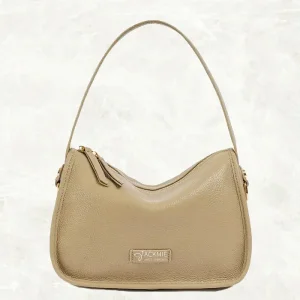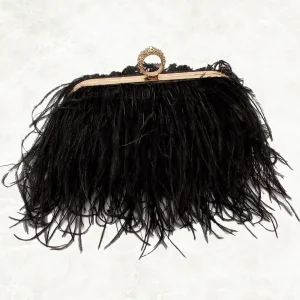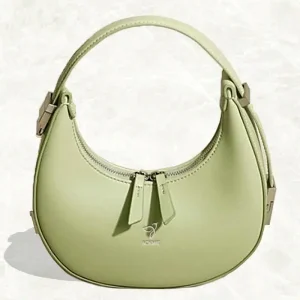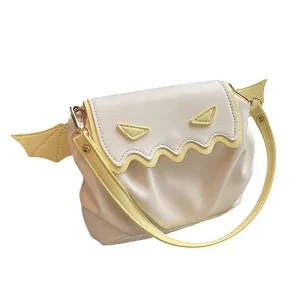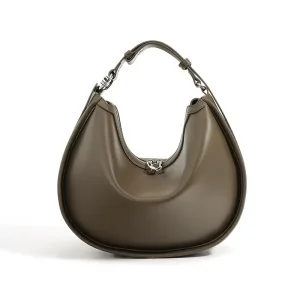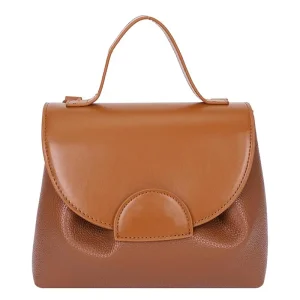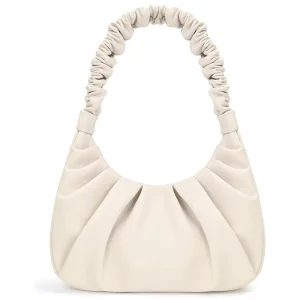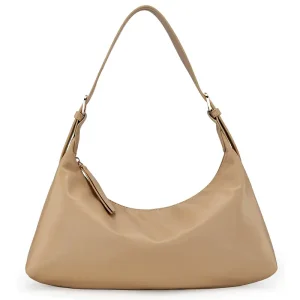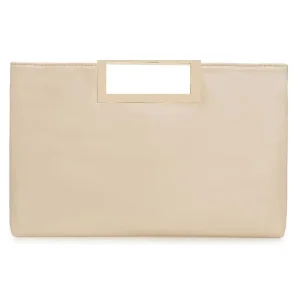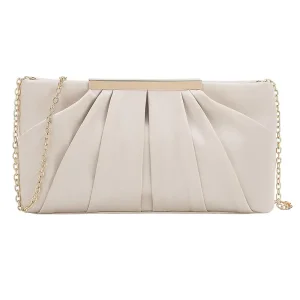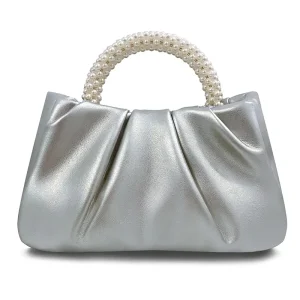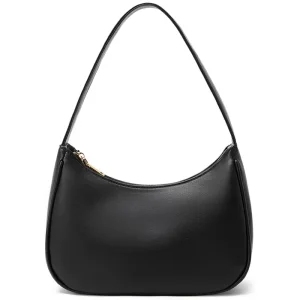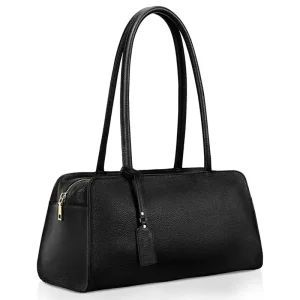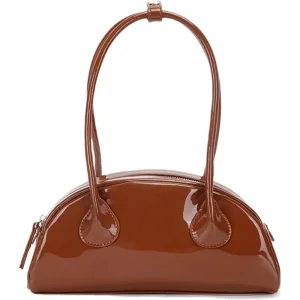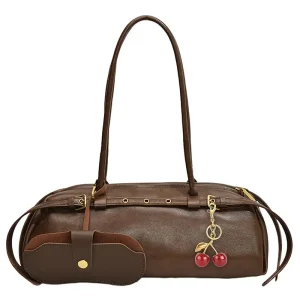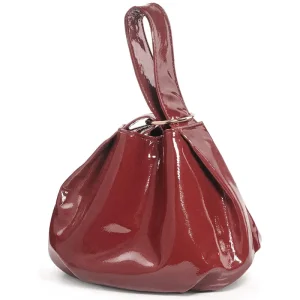
Engineered for Japan's high-traffic commercial hubs—combining refined aesthetics, uncompromising durability, and localized utility values.
B2B Strategic Guide for Wholesalers, Retailing Chains, and Corporate Sourcing Managers.
The purse and fashion accessory market in Tokyo is one of the most mature, high-value, and demanding retail ecosystems globally. Serving Tokyo requires a detailed understanding of the bifurcated customer demographic—ranging from the ultra-luxury fashion boutiques in Ginza to the fast-moving, high-concept youth fashion retailers in Shibuya and Harajuku. For global supply chain directors, delivering products that satisfy these standards involves bridging the gap between scale-based efficiency and localized quality assurance protocols.
"To succeed in the Tokyo market, a product must meet not only physical aesthetic parameters but also the strict commercial expectations regarding structural longevity, chemical emission safety (under JIS regulations), and impeccable packaging."
For Tokyo’s professional commuters, a purse is a highly utilitarian everyday carry tool. Handbags must balance lightweight materials (to ease the physical load of long subway commutes) with high durability. In response to regional policy directions, local corporate procurement has increasingly prioritized the Sustainable Development Goals (SDGs). Consequently, there is rising market demand for vegan leather, recycled PET linings, and low-VOC processing adhesives.
Furthermore, Tokyo retail giants like Mitsukoshi Isetan and Takashimaya maintain zero-tolerance quality inspection standards (often referred to as Kenpin). A single loose thread, off-center stitching line, or micro-scratch on a metal clasp can lead to the rejection of an entire bulk shipment. Suppliers entering this market must implement multi-tier pre-shipment inspections that align with these expectations.
Our production facilities in Guangzhou represent a modern solution to these market demands. Operating in the center of the Pearl River Delta leather cluster, we secure high-grade raw materials—ranging from premium Italian-tanned cowhides to advanced bio-based synthetic polymers—at scale. This proximity allows us to compress sampling cycles to 3-5 days and final volume production timelines to 25-35 days, providing the speed-to-market required to capture emerging retail trends in Tokyo.
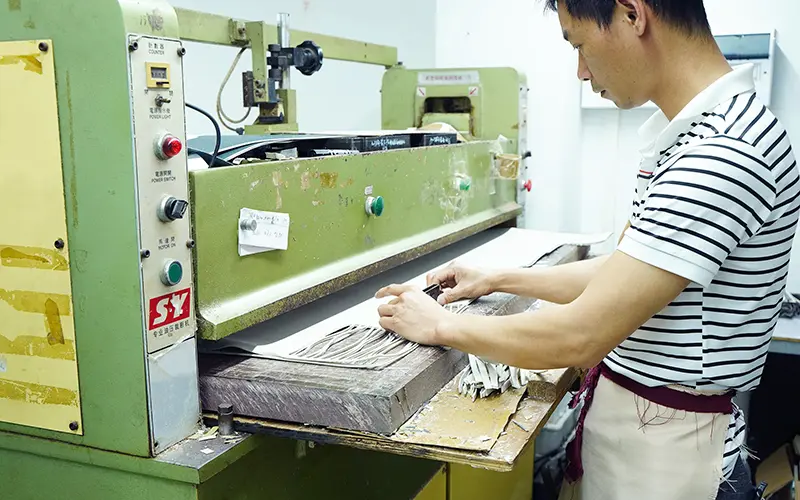
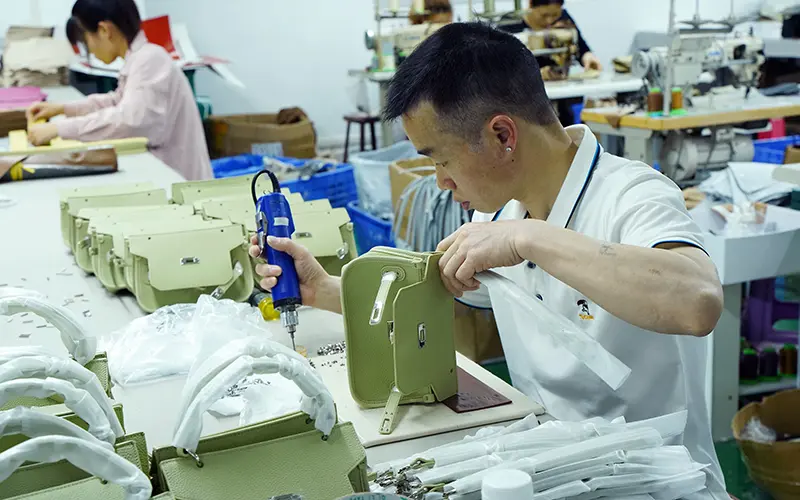
We combine advanced processing machinery, such as automated computer-controlled cutting tables and programmable pattern-stitching machines, with manual edge-painting and hardware mounting. This hybrid production model provides the precision of automation alongside the refined detailing characteristic of handcrafted luxury goods.
Our ongoing R&D projects address the shifting environmental expectations and functional requirements of contemporary consumers.
We are expanding our material library to include USDA-certified bio-based polyurethanes derived from agricultural byproducts, reducing dependency on fossil-fuel plastics while retaining premium tensile strength and tactile qualities.
Deploying CNC stitching machines allows us to maintain consistent stitch density (up to 7-8 stitches per inch) and alignment within a tolerance of ±0.2 mm, ensuring clean seam finishes on complex geometric purse designs.
To support high-end designer boutiques in Tokyo, we offer integrated NFC microchips embedded within the purse lining. These chips allow end-users to verify product authenticity, access digital warranties, and review materials tracing data.
Founded in 2003, Ackmie specializes in designing, manufacturing, and exporting premium leather products and bags via flexible ODM & low-MOQ OEM services.
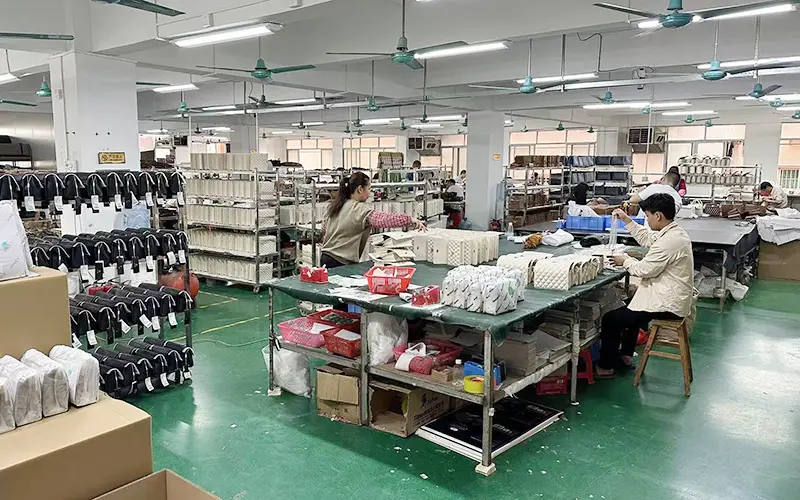
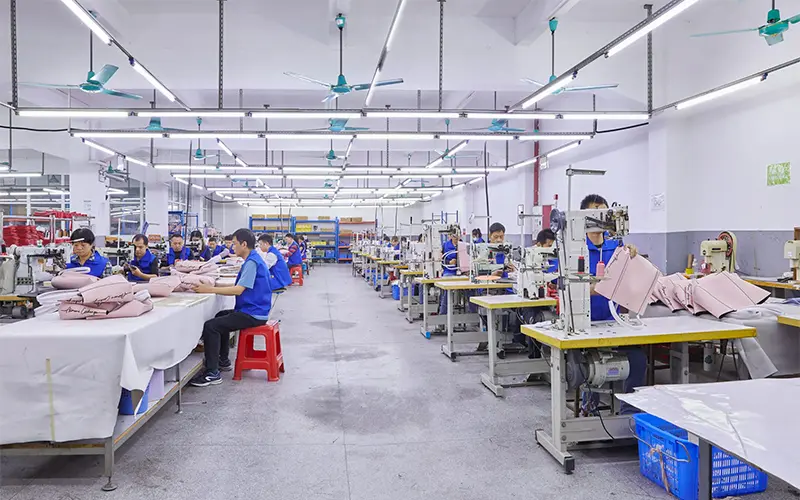
Our manufacturing footprint spans 7,000 square meters, housing 8 specialized production lines, a dedicated sample R&D department, and a quality control division. We specialize in producing diverse leather goods, including structured shoulder bags, backpacks, travel gear, pet carriers, and specialty presentation cases.
Providing structured, dependable manufacturing services that mitigate production risks for import-dependent businesses.

Every bag undergoes a multi-stage quality review, from incoming material checks to final visual inspections, helping ensure compliance with strict regional quality expectations.

We support small-batch production runs starting at 100 units. This allows brands to test new designs in the Tokyo market without committing to excessive inventory costs.

Our manufacturing combines automated patterning machinery with experienced manual edge-gluing, hardware installation, and alignment details.

We offer efficient production turnarounds, delivering product samples within 3 to 7 days and completing bulk order runs in 25 to 30 days.

Our material sourcing includes grain leathers, waterborne PU, recycled fabrics, and performance synthetic materials designed to meet diverse product briefs.

We work directly with customs agents and freight forwarders to manage import documentation and logistics, facilitating smooth delivery to Tokyo warehouses.
Take a virtual tour of our factory operations, certifications, and customization workflows.
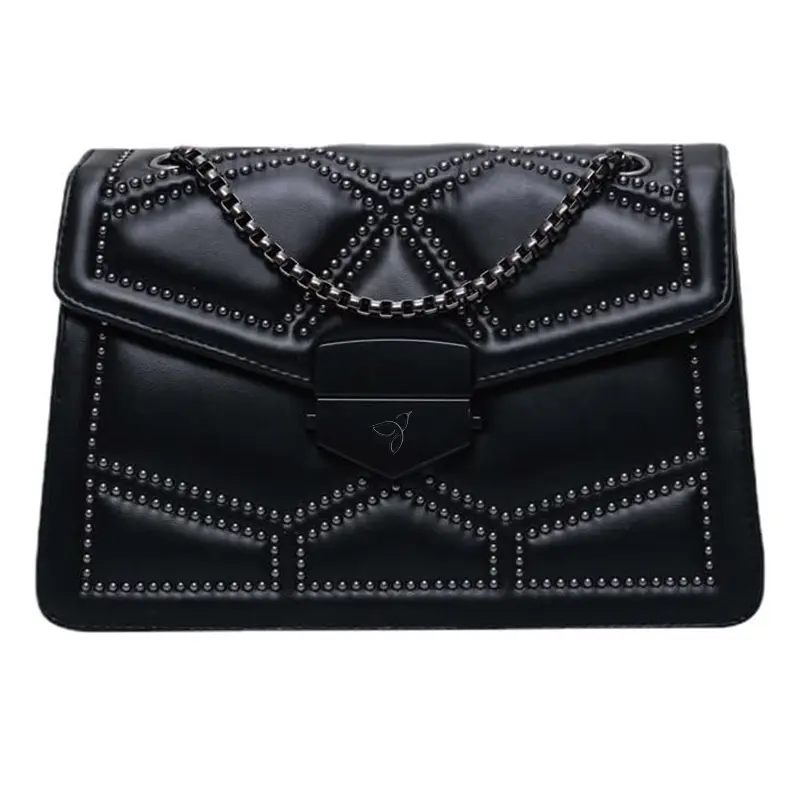
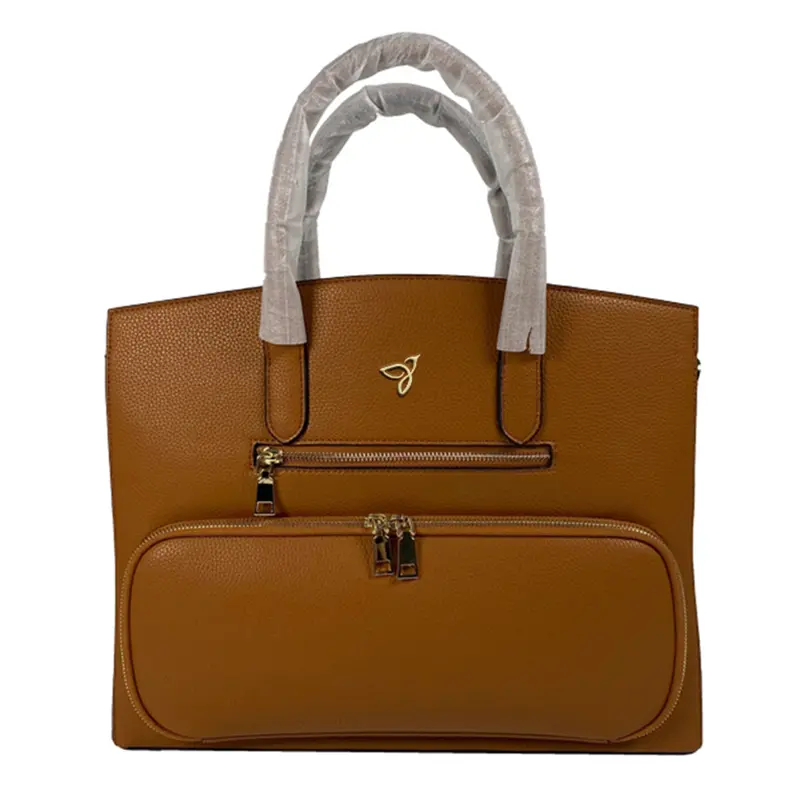
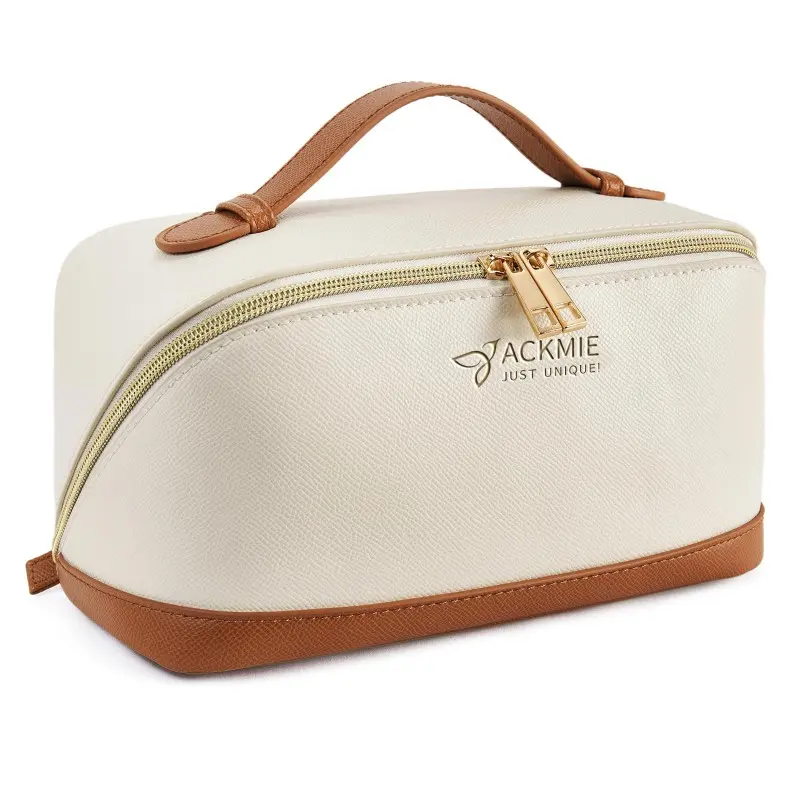
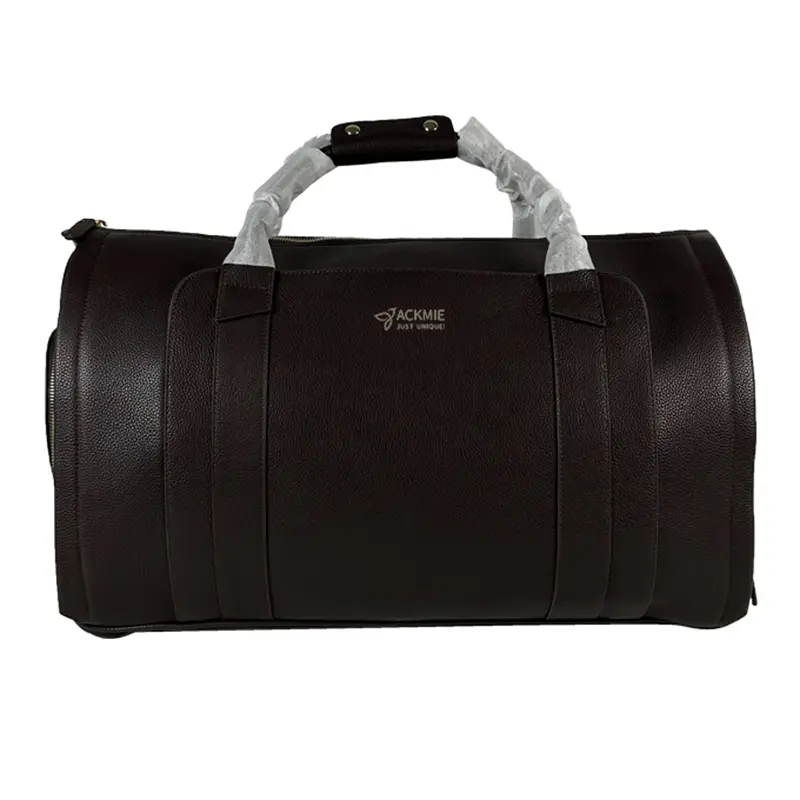
A comprehensive selection of specialty bags, commuter wallets, clutches, and functional designs manufactured to strict specifications.
We design and construct our corporate-focused leather bags from the initial material cut to ensure durability and brand presentation value.
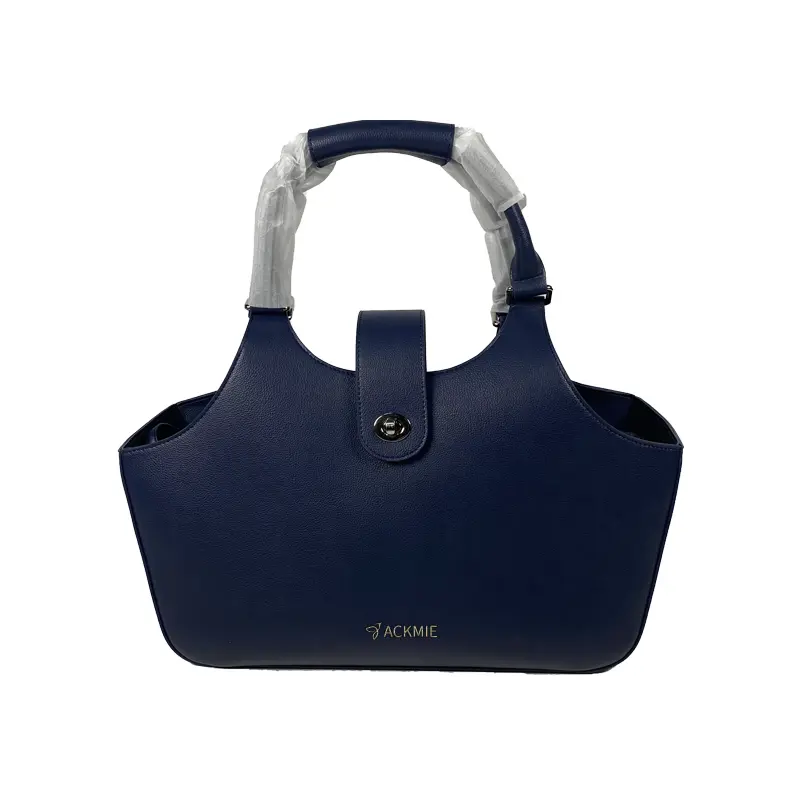
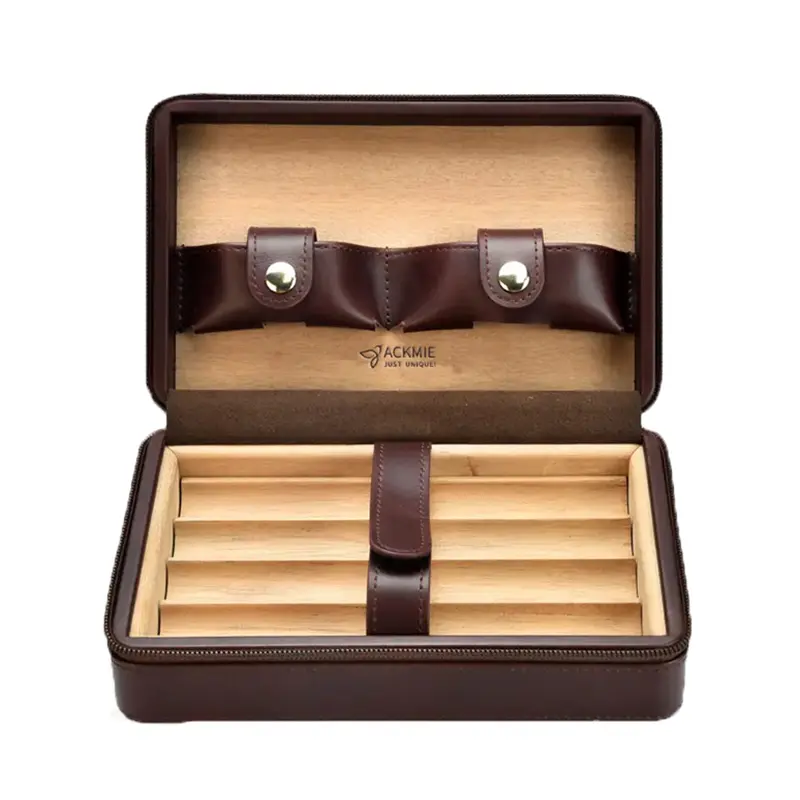
Frequently asked questions regarding material standards, custom designs, quality inspections, and importing to Japan.
Fully tailored material selections, color matching, and custom hardware options.
Collaborate with our R&D team to refine technical drawings, stitch lines, and load distributions.
Sample costs are credited back toward the final balance upon bulk order confirmation.
Stay updated with our manufacturing advancements, local volunteer projects, and quality control developments.
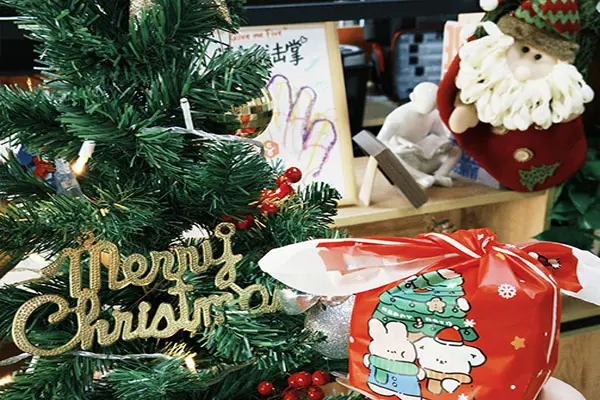
Sharing seasonal greetings with our international clients, logistics partners, and design associates worldwide.
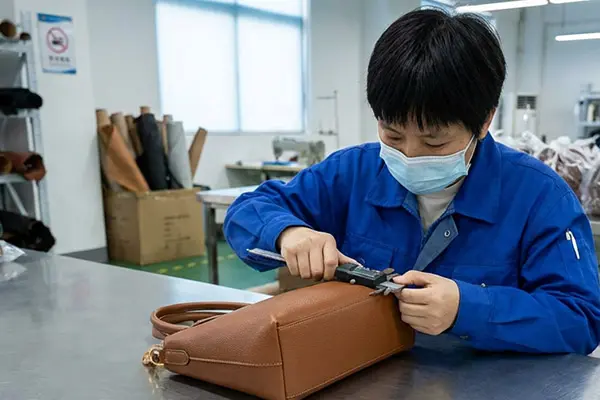
An inside look at our 100% inspection line, highlighting our stitching checks, metal finish tests, and packaging steps.
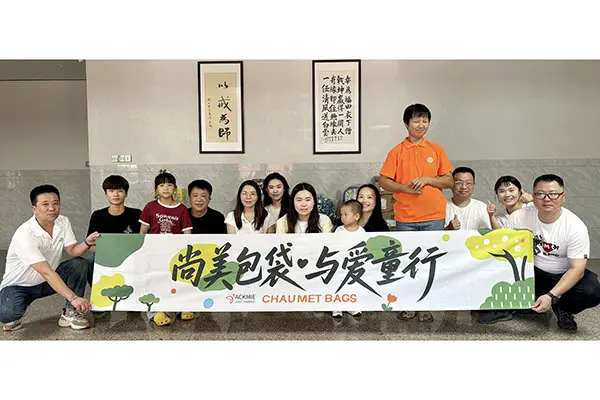
Ackmie’s volunteer division visits the Qinyuan Orphanage to deliver supplies, gifts, and support for local educational activities.