


China Leather Pocketbook Industry Sourcing Whitepaper
A strategic analysis of global logistics, raw material grading, supply chain dynamics, and technological roadmaps.
1. Global Leather Goods Procurement & Demand Dynamics
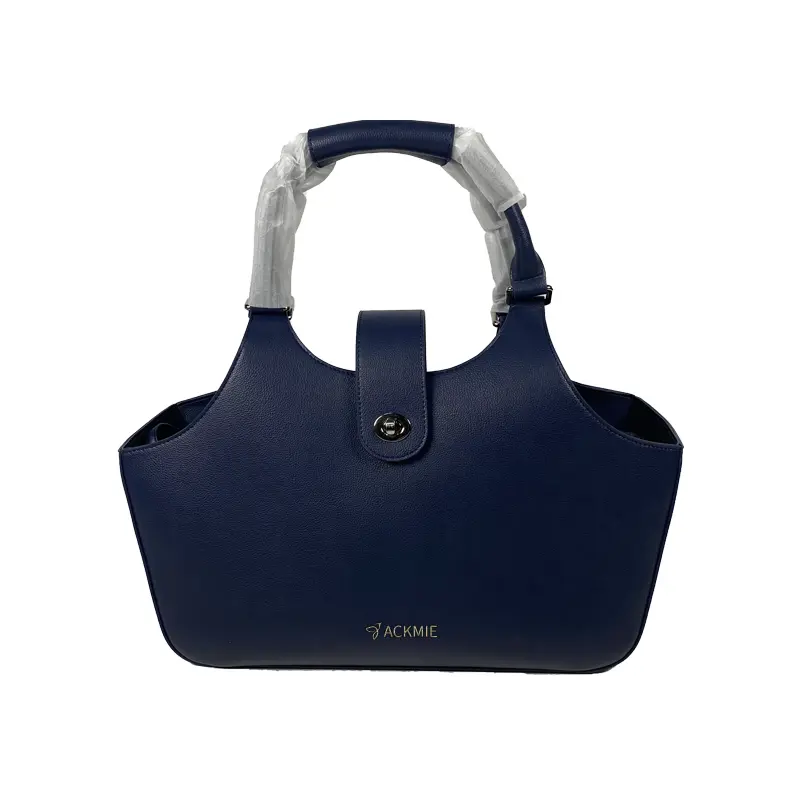
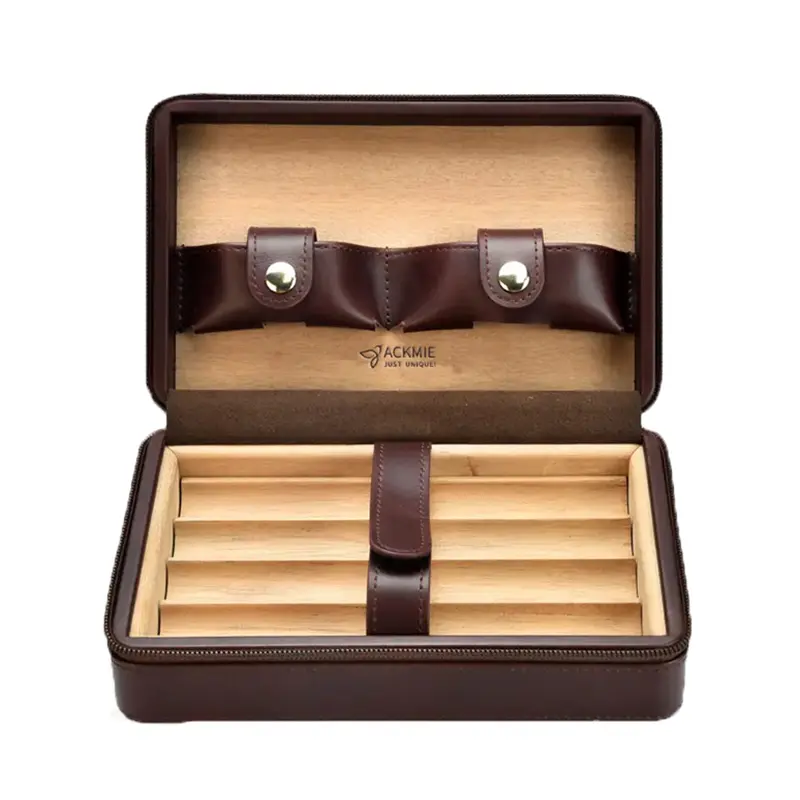
In the contemporary luxury and fashion landscape, procurement managers and design directors face volatile market dynamics. The search for high-caliber leather pocketbooks, executive portfolios, and bespoke travel goods is no longer simply about cost optimization. Instead, global purchasing strategies focus heavily on supply chain transparency, reliable lead times, material authenticity, and ethical labor standards.
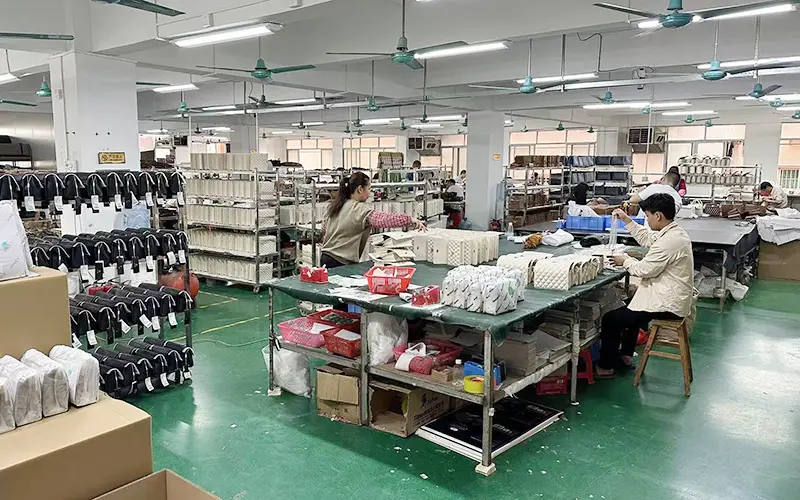
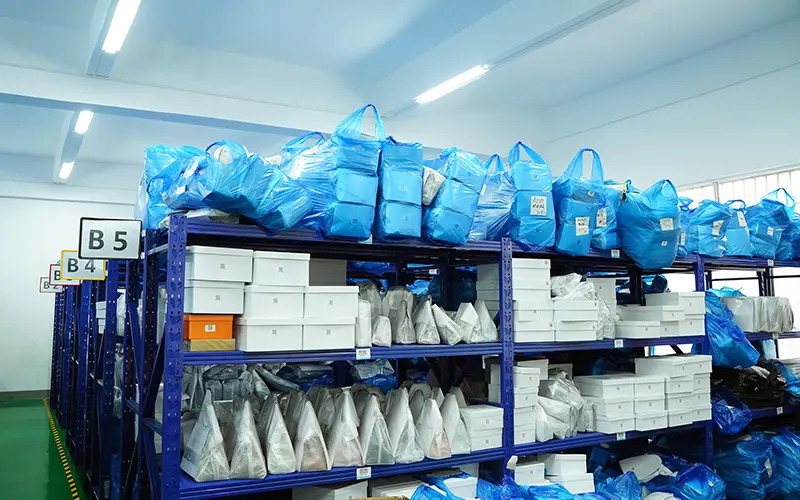
China remains the primary global manufacturing engine for high-end leather accessories, representing over 40% of the world's custom manufacturing capacity. Regions like Shiling and Guangzhou in southern China have transitioned from simple low-cost assembly lines to fully integrated vertical supply centers. These regions offer rapid access to custom metal hardware casting, specialized leather tanneries, eco-friendly textile suppliers, and cutting-edge computerized stitching plants. For international enterprises looking to scale up their product portfolios, tapping into China's established manufacturing ecosystems is essential for combining agility with product quality.
2. The Material Matrix: Graded Genuine Leather vs. Advanced Synthetics
A central focus for procurement directors is matching user expectations with the correct grade of leather. Choosing between full-grain cowhide, top-grain aniline, split leather, and next-generation polyurethane (PU) alternatives dictates both the price point and the product's longevity:
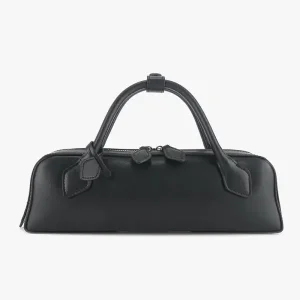
- Full-Grain Cowhide: This premium tier utilizes the outermost layer of the hide, retaining all natural grain patterns and imperfections. The fiber structure is dense and highly durable. Over time, full-grain pocketbooks develop a unique patina, making them highly desirable for luxury brands.
- Top-Grain Leather: The second-highest tier of leather is lightly sanded to remove surface blemishes before receiving a protective top coat. This process enhances stain resistance while maintaining excellent flexibility and tensile strength, making it ideal for daily office bags and functional executive briefcases.
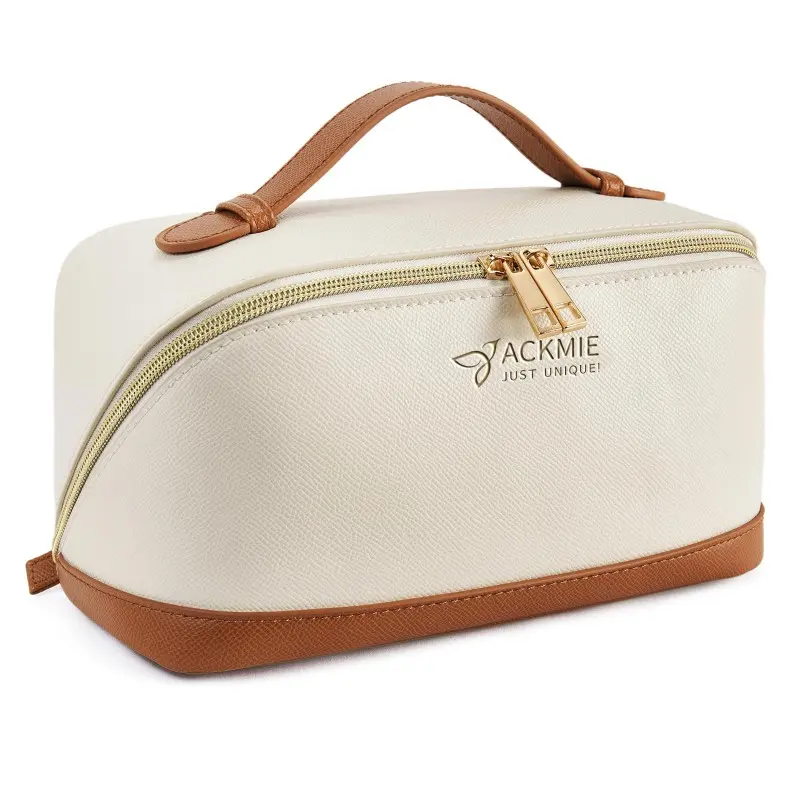
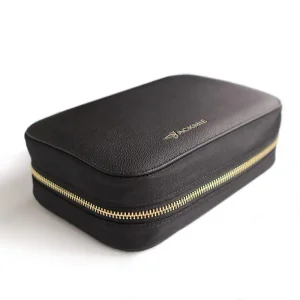
- Suede & Split Leather: Created from the lower split layers of the hide, these materials are widely used in casual lifestyle items, cosmetic pouches, and decorative inner linings due to their soft texture.
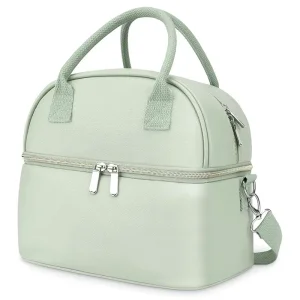
- Advanced Eco-friendly Synthetics (Waterproof PU): Modern PU leathers offer excellent cost efficiency and uniform performance. Advanced formulations replicate the hand-feel of calfskin while meeting REACH and RoHS standards for chemicals and heavy metals. This makes them highly popular for promotional items, insulated lunch boxes, and lightweight travel accessories.
3. Technical Roadmap: From CAD Conception to Finished Precision Stitching
The production of a professional-grade leather pocketbook is an intricate, multi-step process. Here is how modern Chinese factories maintain precision across high-volume production runs:
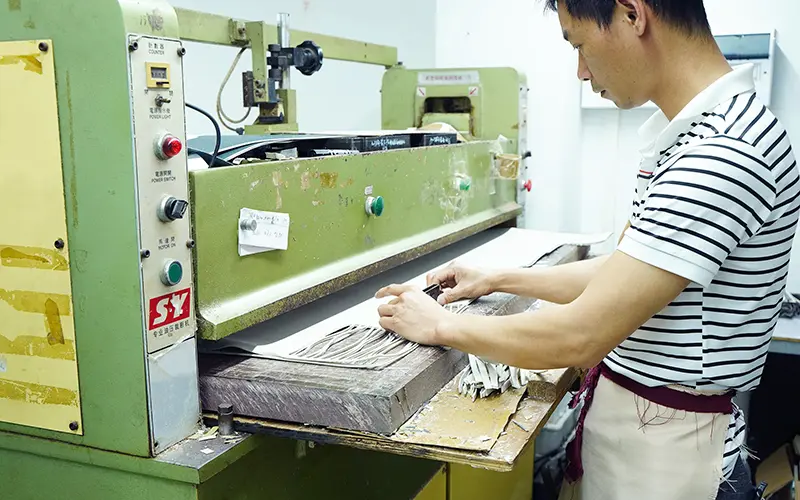
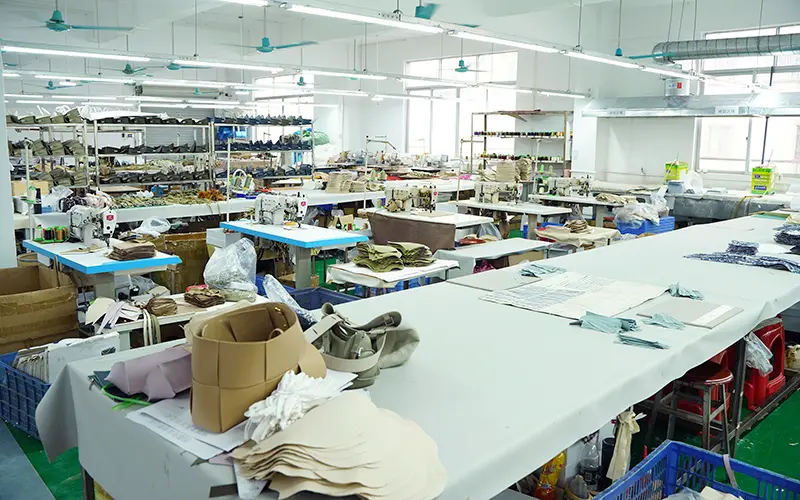
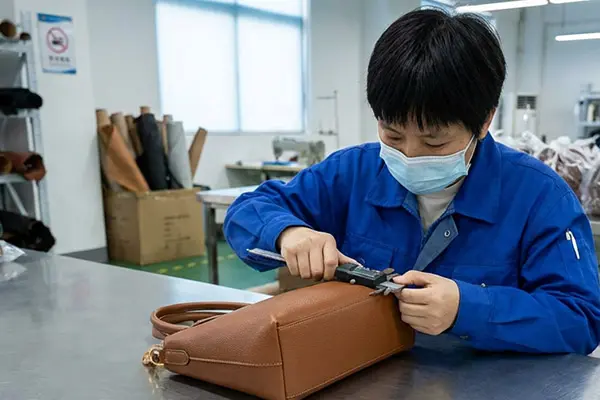
First, 3D modeling and CAD pattern drafting allow engineering teams to simulate stress points and load distribution. This digital optimization ensures that handles and shoulder straps are anchored securely to the bag's main body. Once the patterns are finalized, automated CNC oscillating knife cutting systems cut the leather panels. This reduces waste and ensures cuts are precise to within 0.1mm.
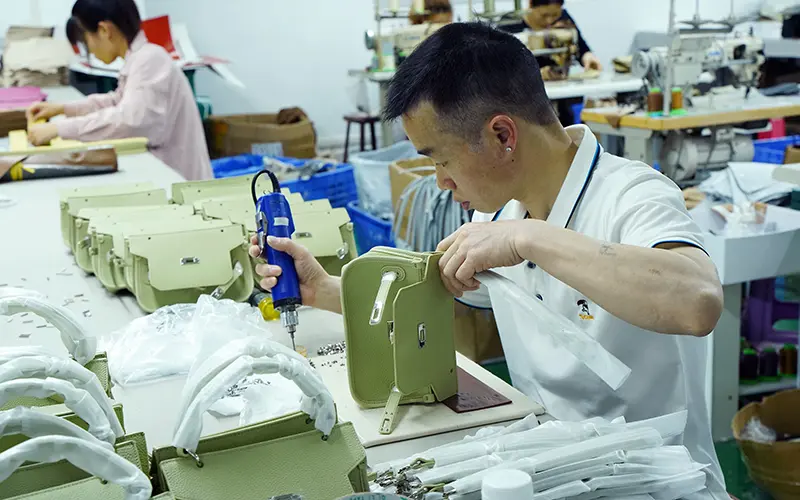
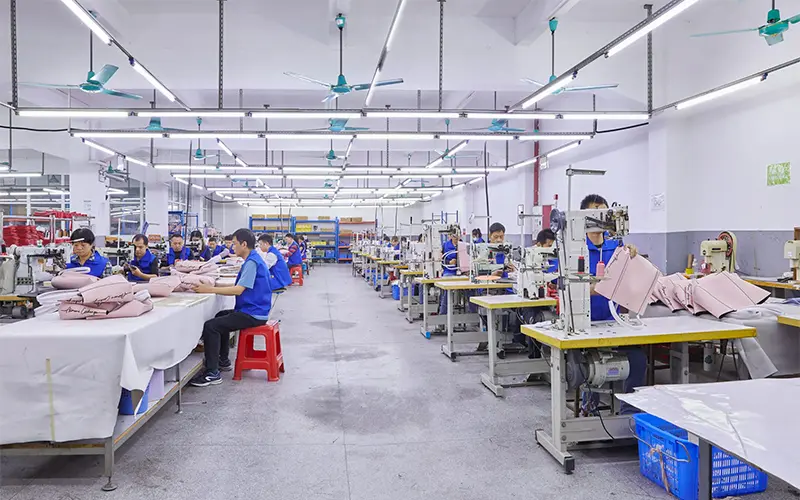
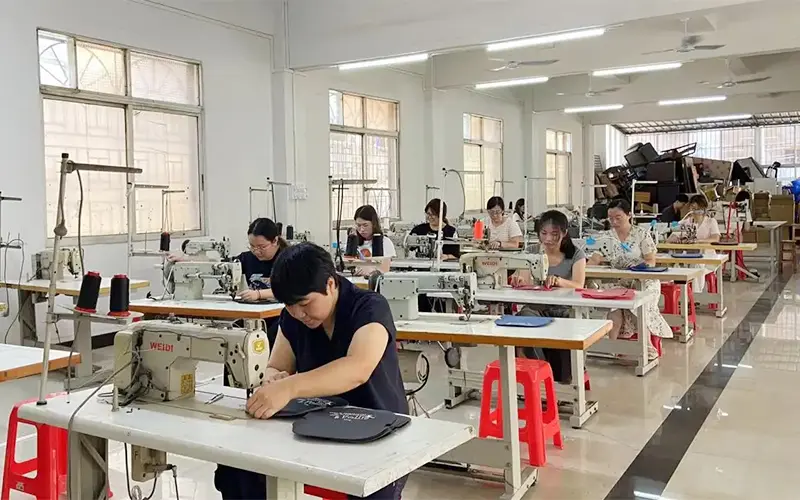
Edge preparation is key to a bag's longevity. Edge skiving thins the margins of the leather panels, preventing bulky joints when panels are stitched together. Edge painting, followed by thermal curing and sanding, creates a sealed, water-resistant finish that prevents moisture from getting between the leather and lining. In terms of stitching, German-engineered heavy-duty machines use bonded nylon threads. These machines maintain consistent tension across varying leather thicknesses, preventing loose threads and ensuring clean lines on curves and corners.
4. Global Standards, Supply Chain Compliance, & Carbon Neutral Goals
Regulatory compliance is a critical factor for brands importing leather goods into markets like Europe, North America, and Japan. Working with factories that adhere to international social audit standards (such as BSCI, Sedex, and ISO 9001) ensures that production facilities respect workers' rights and operate clean, safe workspaces.
From an environmental standpoint, using tanneries certified by the Leather Working Group (LWG) guarantees that raw hides are processed with minimal water waste and zero harmful chromium-VI runoff. Furthermore, advanced finishing chemicals must comply with California Proposition 65 and European REACH regulations. By using eco-friendly vegetable-tanned leathers and water-based, solvent-free adhesives, modern manufacturers help global brands meet their environmental sustainability goals without compromising on the luxury feel of the finished product.