
What Is a Custom Real Leather Purse?

Time:2026-10-17 Author:Sophia
0%

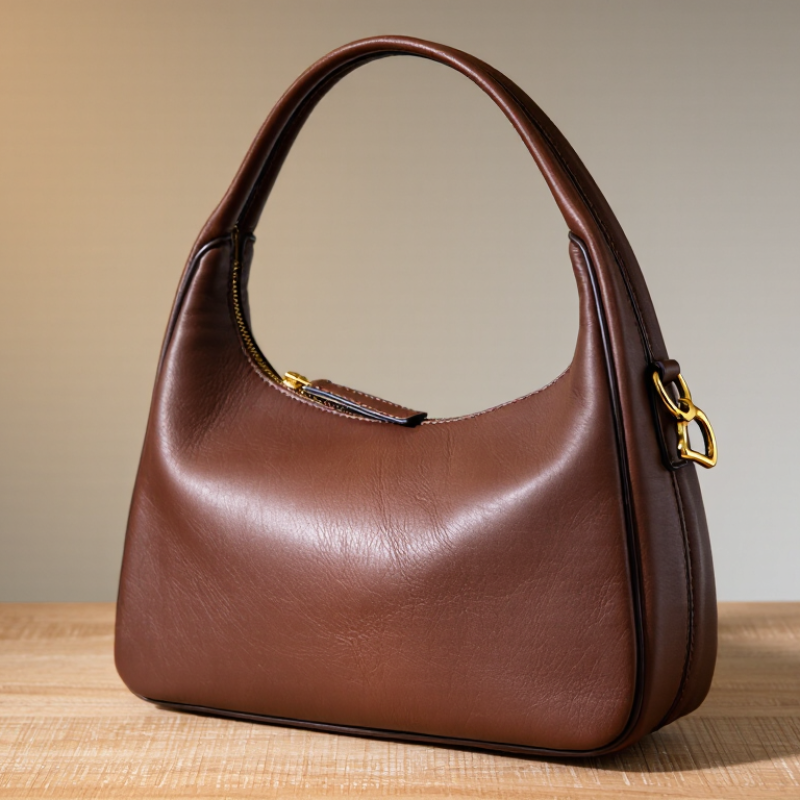
A custom real leather purse is more than a monogrammed accessory. It is a small, considered product built around material, measurement, and personal use. The leather may show fine grain, gentle scars, or slight color variation. Those marks are not always defects. They can indicate a natural hide rather than a perfectly uniform synthetic surface.

Market data shows why this category deserves closer attention. Grand View Research valued the global leather goods market at approximately $468.5 billion in 2023. Its report projects continued growth through 2030, supported by premium products and personalized purchasing. Fortune Business Insights also identifies handbags as a major leather-goods segment. However, market reports often combine mass-produced and bespoke items. The category is not perfectly defined. That matters.

Dr. Kerry Senior of Leather UK describes leather as “a natural, durable and versatile material.” His observation helps explain the appeal of Custom Real Leather Purses. A well-made purse should feel supple, but not weak. Its stitching should remain even around handles and corners. Its lining should sit flat. Hardware should open smoothly, without a sharp metallic scrape. Buyers should also ask about leather origin, tanning methods, care instructions, and repair options. These details reveal more than a glossy product photograph.

Customization can include color, pocket placement, strap length, initials, and closure style. Yet personalization should not hide poor construction. A beautiful name stamp cannot repair loose seams. This is where careful judgment becomes necessary. Some sellers use “real leather” broadly, although quality can differ greatly between full-grain, top-grain, and corrected leather. The following guide examines what custom leather means, how quality is assessed, and whether the finished purse justifies its price.
What Is a Custom Real Leather Purse?

Definition and Core Features of a Custom Real Leather Purse

What Is a Custom Real Leather Purse?

Definition and Core Features of a Custom Real Leather Purse

A custom real leather purse is a bag designed around a buyer’s preferences and made from genuine animal hide. Customization may involve its size, shape, color, pockets, strap length, lining, and closure. Real leather is not a single quality level. Full-grain, top-grain, and split leather can feel and perform differently.

In practical inspection, leather quality appears through its surface, flexibility, edge finishing, and stitching. Natural grain often shows small variations, while perfectly uniform texture may indicate heavy treatment. A well-made purse should have balanced seams, secure hardware, and a lining that fits without excessive wrinkles. It should feel useful, not merely attractive.

Personal measurements matter. A purse for daily commuting needs stronger handles and room for essentials. A smaller evening design may prioritize light weight and clean lines. Buyers should also ask how the leather was tanned and maintained. Care instructions are not decorative advice. They affect the material’s appearance and lifespan.

Custom work is not automatically superior. That assumption needs questioning. A poor pattern or rushed stitching can weaken expensive leather. Even natural marks may be mistaken for defects, although they can reflect the hide’s original character. Reliable makers explain material choices, measurements, construction limits, and expected changes over time. That transparency helps customers choose with realistic expectations.

Leather Types and Materials Used in Purse Making

What Is a Custom Real Leather Purse?

A custom real leather purse is made to suit a customer’s preferred size, shape, color, and daily routine. Leather choice controls much of its appearance and performance. Full-grain leather keeps the natural surface, including small marks and grain changes. It usually becomes softer and darker with use. Top-grain leather is lightly corrected for a cleaner appearance. It feels smooth but may show less natural character.

Split leather comes from lower layers and often receives a coating or embossed texture. It can reduce costs, but its surface may wear sooner. Suede uses the inner side of leather and has a soft, brushed finish. It looks elegant, yet absorbs moisture easily. Vegetable-tanned leather develops rich color over time. Chrome-tanned leather usually offers greater softness and color consistency. Neither method is perfect for every purse.

A skilled maker also considers lining, thread, edge paint, and hardware. Cotton or linen lining feels natural, while synthetic lining resists spills more effectively. Strong polyester thread can handle frequent opening and closing. During inspection, I check folded corners, handle attachments, and stitch spacing. A small wrinkle is not always a defect. It may prove the hide is genuine. Still, uneven edges or weak seams deserve correction. Custom work involves choices, and some choices need reconsideration after real daily use.

Customization Options: Design, Size, Color, and Hardware

What Is a Custom Real Leather Purse?

Customization Options: Design, Size, Color, and Hardware

A custom real leather purse is made from animal hide selected for durability, texture, and natural character. Unlike uniform synthetic material, leather may show small pores, scars, or gentle color changes. These details are normal, not automatically defects. A reliable maker should explain the leather type, thickness, finish, and care requirements before production.

Design choices shape the purse’s daily use. You can request a structured body, soft folds, interior dividers, or a secure zip pocket. Sketches and measurements help prevent misunderstandings. I have found that a beautiful design can still feel awkward when the handle is too short. Practical testing matters. Carry a phone, wallet, keys, and glasses before confirming the pattern.

Size should match your routine, not only your appearance. A compact purse may suit evening use, while a wider base can hold work essentials. Color options include natural brown, black, muted green, and custom shades. Leather samples are important because screen colors can mislead. Hardware also changes the character and function. Brass, steel, magnetic closures, buckles, rings, and adjustable straps each affect weight and durability. Hardware needs strong stitching or reinforced leather. Otherwise, frequent use may stretch the attachment points. Minor irregularities can remain, even after careful craftsmanship. That is part of the material’s reality.

How a Custom Leather Purse Is Made Step by Step

What Is a Custom Real Leather Purse?

A custom real leather purse begins with a design, not a logo. Real leather comes from animal hides, commonly recovered from the food industry. Leather Naturally describes tanning as the process that preserves these hides for long-term use.

The global leather goods market reached about USD 468 billion in 2023, according to Grand View Research. That scale makes material selection important, even for one handmade purse.

How a Custom Leather Purse Is Made Step by Step

The maker first confirms dimensions, pocket placement, strap length, and leather thickness. A paper pattern follows. Then, the leather is inspected for scars, loose fibers, and uneven grain. The pattern is placed carefully to reduce waste. Cutting comes next, using a sharp knife or clicking press. Each edge is then split, beveled, dyed, and polished. Small errors show.

The maker punches stitch holes before joining the panels with waxed thread. The lining, zipper, hardware, and reinforcement pieces are added in sequence. Experienced craftspeople test the handle under load and examine every seam by hand.

The Leather Working Group’s industry guidance emphasizes traceability, chemical management, and responsible tannery practices. However, sustainability claims still need evidence. A beautiful purse is not automatically a responsible one.

Tips: Ask for the leather type, tannery location, thickness, and care instructions. Request a sample or clear photographs before production. Measure twice. Also, allow minor natural marks; perfect grain can indicate heavy surface correction.

Care, Longevity, and Value of Custom Leather Purses

What Is a Custom Real Leather Purse?

A custom real leather purse is made from genuine animal hide and designed around a customer’s preferences. Its size, handle length, pockets, lining, and stitching can suit daily habits. Good leather often feels firm at first, then softens through regular use. The surface may show small grain changes, scars, or uneven color. These marks are not automatically defects. They can indicate a natural material.

Care affects both appearance and lifespan. Keep the purse away from heavy rain, radiators, and damp storage areas. Wipe dust with a soft, dry cloth after use. A small amount of leather conditioner can help, but too much may darken the surface. Test it on a hidden area first. Stuff the bag lightly when storing it. Avoid hanging it from a thin strap for long periods. That can stretch the leather.

Longevity brings practical value. A well-made purse may serve for many years, especially when its stitching and hardware receive attention. However, real leather is not maintenance-free. I have seen beautiful bags lose their shape because owners stored them in crowded drawers. Custom work can also cost more than mass-produced options. The value depends on fit, construction, repairability, and daily use. Personal preference matters too. A purse that feels awkward will not become valuable merely because its leather is expensive.

FAQS

What is a custom real leather purse?

It is a purse made from genuine animal hide and adjusted to a buyer’s preferences. Size, color, pockets, straps, lining, and closure can change. It should fit real daily needs.

Which leather types are commonly used?

Full-grain leather keeps more natural marks and grain variation. Top-grain leather looks smoother after light surface correction. Split leather costs less but may wear sooner. Suede feels soft but absorbs moisture easily.

How do leather types change with use?

Full-grain and vegetable-tanned leather may darken and soften over time. Chrome-tanned leather often keeps color more consistently. No option is perfect. Daily habits matter too.

How can buyers inspect leather quality?

Check the surface, flexibility, edges, stitching, and hardware. Natural leather may show small marks or uneven grain. Perfect uniformity can suggest heavy treatment. Look closely.

What construction details deserve attention?

Seams should look balanced and secure. Handles need strong attachment points for commuting bags. Check folded corners, stitch spacing, and edge finishing. A small wrinkle is not always a defect.

Should the lining be natural or synthetic?

Cotton or linen lining feels natural and comfortable. Synthetic lining usually handles spills better. The lining should fit neatly without large wrinkles. Practical protection may be worth more than appearance.

How should a purse match its intended use?

A commuting purse needs stronger handles and space for daily essentials. An evening purse may favor light weight and clean lines. Measure carefully. Attractive proportions can still feel inconvenient.

Is custom work always better than standard production?

No. Custom work can improve fit, but poor patterns or rushed stitching can weaken quality. I might prefer a beautiful design that proves awkward later. That possibility deserves honest review.

What should buyers ask the maker before ordering?

Ask about leather type, tanning method, measurements, lining, hardware, care, and construction limits. Ask how the purse may change with use. Clear answers reduce unrealistic expectations.

How should real leather be maintained?

Follow the maker’s care instructions for cleaning, moisture, and storage. Keep suede away from spills when possible. Avoid assuming every leather needs the same treatment. That assumption can cause damage.

Conclusion

Custom Real Leather Purses are handcrafted accessories made from genuine animal hides, combining practical function with personal style. Unlike mass-produced bags, they can be created around individual preferences, including leather type, texture, size, shape, color, lining, pockets, stitching, and hardware. Common material choices include full-grain, top-grain, and other carefully finished leathers, each offering a different balance of softness, durability, appearance, and price.

The making process usually involves selecting and inspecting the hide, preparing a pattern, cutting each piece, thinning or reinforcing edges, stitching the sections together, and attaching closures and decorative hardware. Careful craftsmanship and attention to detail help create a purse that is both attractive and dependable. With regular cleaning, appropriate conditioning, protection from excessive moisture, and proper storage, a custom leather purse can develop a distinctive character and last for many years. Its personalized design, durable materials, and long-term usability make it a valuable choice for everyday use or a meaningful gift.

Sophia

Sophia

Sophia is a dedicated marketing professional with an exceptional depth of knowledge about her company's products and services. With a keen understanding of market trends and customer needs, she crafts insightful blog posts that not only inform but also engage readers, enriching the company’s online......